Understanding Fencing Options for Your Property
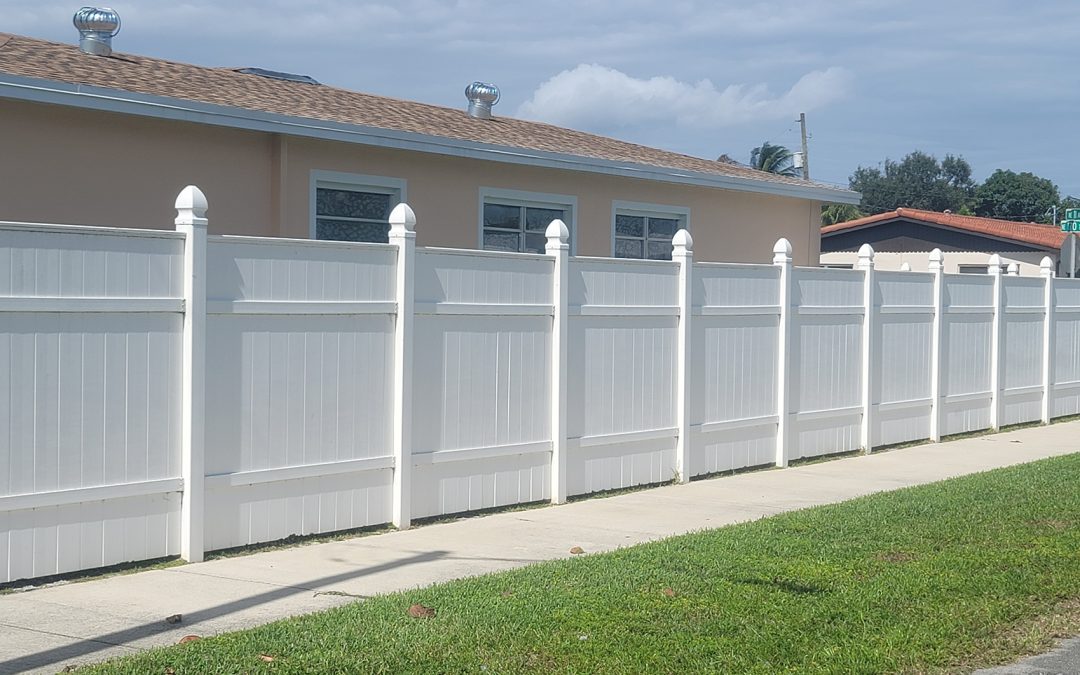
When considering a new fence, it's essential to explore the various materials and styles available. Different fencing options cater to specific needs, aesthetics, and budgets, making it crucial for homeowners to understand their choices. Common materials include wood, vinyl, aluminum, and chain link, each offering distinct benefits and drawbacks.
For instance, wood fences provide a classic look and can be customized easily, while vinyl fences require less maintenance and are available in various colors. Aluminum fences are known for their durability and elegance, making them ideal for decorative purposes, whereas chain link fences are cost-effective and practical for security. Understanding these options helps you make an informed decision that aligns with your property's requirements.
Key Considerations Before Installing a Fence
Before diving into the installation of a fence, there are several important factors to consider. Firstly, it's vital to check local zoning laws and homeowners association regulations, which may dictate fence height, style, and placement. Understanding these rules can prevent potential disputes with neighbors and ensure compliance with community standards.
Additionally, assessing your property lines is crucial to avoid encroaching on adjacent properties. Using a surveyor can help clarify boundaries, ensuring that your new fence is installed correctly. Other considerations include the purpose of the fence—whether for privacy, security, or aesthetics—and the maintenance requirements of the chosen material, all of which influence the long-term satisfaction with your fencing solution.
Benefits of Professional Fence Installation
Hiring a professional for your fence installation offers numerous advantages over a DIY approach. Professionals bring expertise and experience, ensuring that the fence is installed correctly and efficiently, which can save time and reduce the risk of costly mistakes. They also have access to the right tools and equipment, making the process smoother and more effective.
Moreover, professional installers can provide valuable insights into the best materials and designs suited for your property, considering factors like climate and terrain. This expertise can enhance the durability and functionality of your fence, ultimately leading to greater satisfaction and value for your investment.
Maintaining Your Fence for Longevity
Regular maintenance is essential to ensure the longevity and appearance of your fence. Different materials require different care; for example, wood fences may need periodic staining or sealing to protect against moisture and pests, while vinyl fences can be easily cleaned with soap and water to maintain their appearance. Understanding the specific maintenance needs of your fencing material is vital for preserving its integrity.
Additionally, inspecting your fence regularly for signs of damage, such as rot in wooden fences or rust in metal fences, allows for timely repairs that can prevent more extensive issues. By investing time in maintenance, you can extend the life of your fence and keep it looking great for years to come.
Understanding Fencing Options for Your Property
When considering a new fence, it's essential to explore the various materials and styles available. Different fencing options cater to specific needs, aesthetics, and budgets, making it crucial for homeowners to understand their choices. Common materials include wood, vinyl, aluminum, and chain link, each offering distinct benefits and drawbacks.
For instance, wood fences provide a classic look and can be customized easily, while vinyl fences require less maintenance and are available in various colors. Aluminum fences are known for their durability and elegance, making them ideal for decorative purposes, whereas chain link fences are cost-effective and practical for security. Understanding these options helps you make an informed decision that aligns with your property's requirements.
Key Considerations Before Installing a Fence
Before diving into the installation of a fence, there are several important factors to consider. Firstly, it's vital to check local zoning laws and homeowners association regulations, which may dictate fence height, style, and placement. Understanding these rules can prevent potential disputes with neighbors and ensure compliance with community standards.
Additionally, assessing your property lines is crucial to avoid encroaching on adjacent properties. Using a surveyor can help clarify boundaries, ensuring that your new fence is installed correctly. Other considerations include the purpose of the fence—whether for privacy, security, or aesthetics—and the maintenance requirements of the chosen material, all of which influence the long-term satisfaction with your fencing solution.
Benefits of Professional Fence Installation
Hiring a professional for your fence installation offers numerous advantages over a DIY approach. Professionals bring expertise and experience, ensuring that the fence is installed correctly and efficiently, which can save time and reduce the risk of costly mistakes. They also have access to the right tools and equipment, making the process smoother and more effective.
Moreover, professional installers can provide valuable insights into the best materials and designs suited for your property, considering factors like climate and terrain. This expertise can enhance the durability and functionality of your fence, ultimately leading to greater satisfaction and value for your investment.
Maintaining Your Fence for Longevity
Regular maintenance is essential to ensure the longevity and appearance of your fence. Different materials require different care; for example, wood fences may need periodic staining or sealing to protect against moisture and pests, while vinyl fences can be easily cleaned with soap and water to maintain their appearance. Understanding the specific maintenance needs of your fencing material is vital for preserving its integrity.
Additionally, inspecting your fence regularly for signs of damage, such as rot in wooden fences or rust in metal fences, allows for timely repairs that can prevent more extensive issues. By investing time in maintenance, you can extend the life of your fence and keep it looking great for years to come.