
Comprehensive Guide to Vinyl Fencing
Vinyl fencing is becoming increasingly popular among homeowners due to its combination of durability, affordability, and aesthetic appeal. This guide aims to provide an in-depth understanding of vinyl fences, including their construction, benefits, and various styles available for residential properties.
Unlike traditional wood fences, vinyl fences are resistant to rot, warping, and fading, making them a long-lasting investment. They come in a variety of colors and designs, allowing homeowners to choose a style that complements their property's architecture while enhancing curb appeal.
Benefits of Choosing Vinyl Fencing
Vinyl fencing offers several advantages over other materials, making it an excellent choice for many homeowners. Its low maintenance requirements and resistance to harsh weather conditions ensure that it remains attractive and functional for years without the need for regular upkeep.
Additionally, vinyl fences are often more affordable in the long run compared to wood or metal fences, as they do not require painting or staining. Many manufacturers also offer warranties, providing peace of mind regarding the longevity and quality of the product.
Vinyl Fence Styles and Options
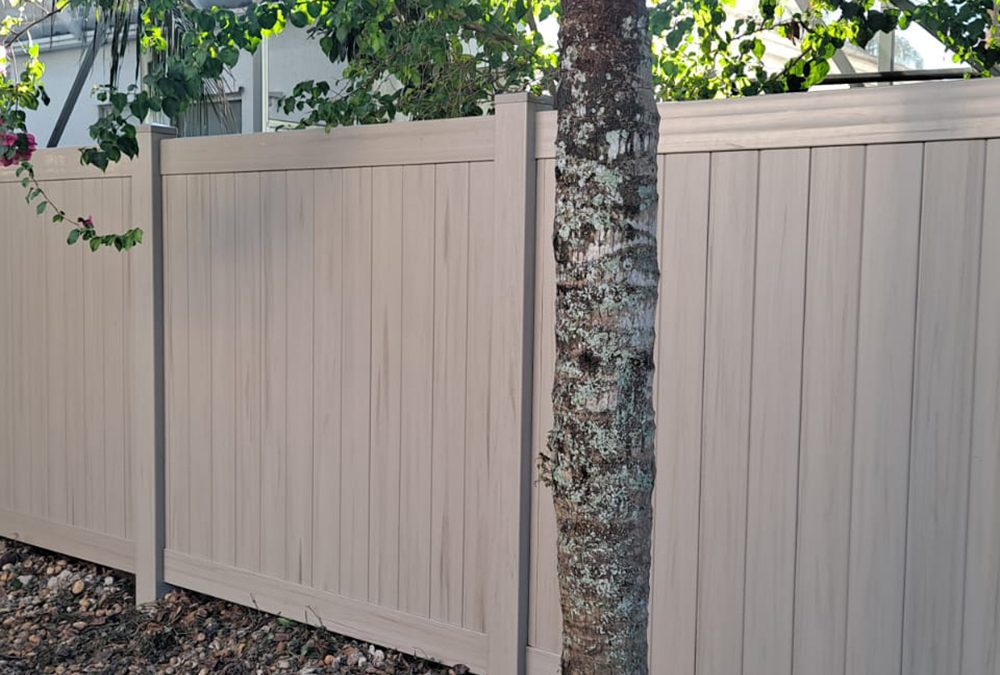
There are numerous styles of vinyl fencing to choose from, catering to various aesthetic preferences and functional needs. Options range from classic picket fences to solid privacy panels, allowing homeowners to select a design that fits their specific requirements.
Moreover, vinyl fences can be customized in height and color, enabling homeowners to create a unique look that enhances their outdoor space. Some styles even mimic the appearance of traditional wood, providing the beauty of natural materials without the associated drawbacks.
Installation Process for Vinyl Fences
Installing a vinyl fence is a straightforward process, especially when handled by professionals. The installation typically includes site preparation, post setting, and panel installation, ensuring that the fence is sturdy and properly aligned.
Homeowners can expect a quicker installation time compared to wood fences, as vinyl panels are pre-manufactured and require minimal adjustments on-site. Additionally, professional installers can ensure that the fence complies with local regulations and is installed correctly for optimal performance.
Comprehensive Guide to Vinyl Fencing
Vinyl fencing is becoming increasingly popular among homeowners due to its combination of durability, affordability, and aesthetic appeal. This guide aims to provide an in-depth understanding of vinyl fences, including their construction, benefits, and various styles available for residential properties.
Unlike traditional wood fences, vinyl fences are resistant to rot, warping, and fading, making them a long-lasting investment. They come in a variety of colors and designs, allowing homeowners to choose a style that complements their property's architecture while enhancing curb appeal.
Benefits of Choosing Vinyl Fencing
Vinyl fencing offers several advantages over other materials, making it an excellent choice for many homeowners. Its low maintenance requirements and resistance to harsh weather conditions ensure that it remains attractive and functional for years without the need for regular upkeep.
Additionally, vinyl fences are often more affordable in the long run compared to wood or metal fences, as they do not require painting or staining. Many manufacturers also offer warranties, providing peace of mind regarding the longevity and quality of the product.
Vinyl Fence Styles and Options
There are numerous styles of vinyl fencing to choose from, catering to various aesthetic preferences and functional needs. Options range from classic picket fences to solid privacy panels, allowing homeowners to select a design that fits their specific requirements.
Moreover, vinyl fences can be customized in height and color, enabling homeowners to create a unique look that enhances their outdoor space. Some styles even mimic the appearance of traditional wood, providing the beauty of natural materials without the associated drawbacks.
Installation Process for Vinyl Fences
Installing a vinyl fence is a straightforward process, especially when handled by professionals. The installation typically includes site preparation, post setting, and panel installation, ensuring that the fence is sturdy and properly aligned.
Homeowners can expect a quicker installation time compared to wood fences, as vinyl panels are pre-manufactured and require minimal adjustments on-site. Additionally, professional installers can ensure that the fence complies with local regulations and is installed correctly for optimal performance.